
Can I Be an Egg Donor if I Have an IUD?
Last Updated: June 12, 2026
QUICK ANSWER: Having an IUD does not automatically disqualify you from becoming an egg donor. If you have a non-hormonal (copper) IUD, you can typically proceed without removal. If you have a hormonal IUD, such as Mirena, Kyleena, Skyla, or Liletta, you will need to have it removed before the donation process begins, and most IVF clinics require at least three normal menstrual cycles after removal before proceeding.
If you’re exploring egg donation and currently have an IUD, you’re not alone in wondering whether it creates a problem. The answer depends almost entirely on which type of IUD you have, and the path forward is clearer than you might expect.
The Two Types of IUDs, and Why It Matters for Egg Donation
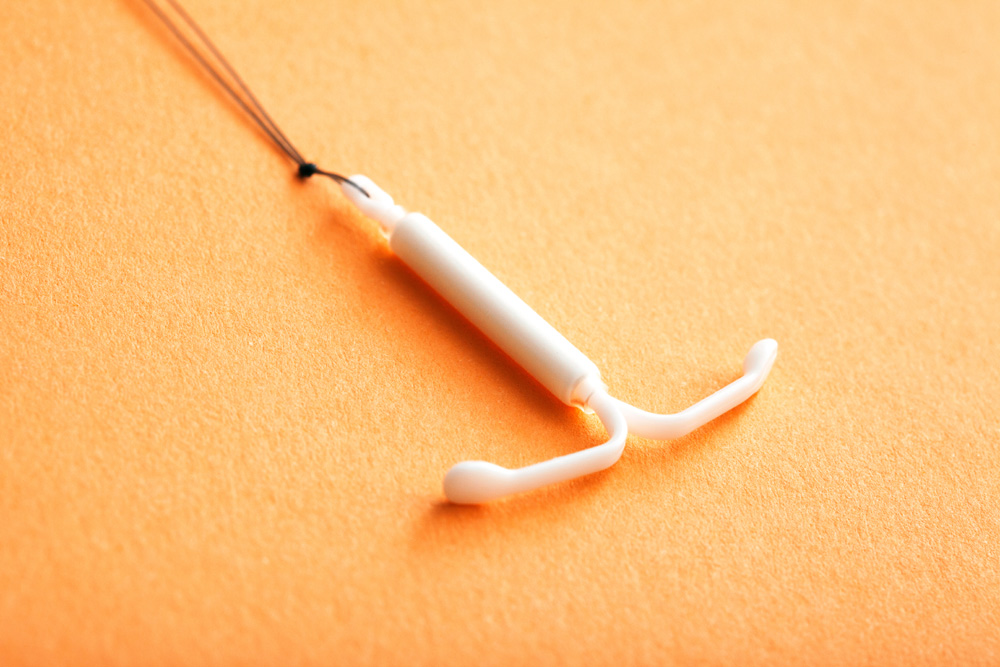
An IUD (intrauterine device) is a small, T-shaped contraceptive device inserted into the uterus. There are two fundamentally different types, and they interact with the egg donation process in very different ways.
Hormonal IUDs, including Mirena, Kyleena, Skyla, and Liletta, release a low dose of progestin continuously. This thins the uterine lining, thickens cervical mucus, and in many users suppresses ovulation partially or entirely. Because egg donation requires precise ovarian stimulation with injectable hormones, a hormonal IUD can interfere with baseline hormone readings, cycle predictability, and the body’s response to stimulation medications.
Non-hormonal IUDs, specifically the copper IUD (Paragard), work through a different mechanism entirely. Copper is toxic to sperm and prevents fertilization without altering hormone levels. Because there is no hormonal component, a copper IUD generally does not affect your eligibility as an egg donor or interfere with the stimulation process.
If You Have a Copper (Non-Hormonal) IUD
In most cases, a copper IUD does not disqualify you from egg donation and does not need to be removed before you proceed. Your hormone levels and menstrual cycle should reflect your natural baseline, which is what IVF clinics need for accurate screening.
You should disclose your IUD at the time of your application and initial screening. Your IVF clinic will confirm whether removal is required for their specific protocol. In most cases, copper IUD donors proceed normally.
If You Have a Hormonal IUD
A hormonal IUD requires more planning, but it does not close the door to donation.
At Elevate Baby, we typically work with donors who have a hormonal IUD. There’s one key requirement: you must be willing to have it removed before the donation cycle begins. After removal, we generally require donors to wait for at least three normal menstrual cycles before they can be matched and evaluated by an IVF clinic.
This waiting period exists for a straightforward reason: it allows your hormones to return to their natural baseline. The progestin in a hormonal IUD suppresses certain hormonal signals that IVF clinics measure to assess ovarian reserve (particularly FSH and AMH levels). Until those levels stabilize, screening results may not accurately reflect your true fertility status.
Three cycles is the typical minimum. Depending on which hormonal IUD you have and how long you’ve had it, your body may regulate more quickly or may need a bit more time. Your IVF clinic will confirm when you’re ready to proceed.
What to Think About Before Removing Your IUD
IUD removal is a quick, in-office procedure that typically takes only a few minutes and requires no anesthesia. If you plan to remove your IUD specifically to pursue egg donation, there are a few things worth considering:
Contraception after Removal
Once your IUD is removed, you will need an alternative contraception method during the waiting period and throughout the donation cycle. Hormonal contraceptives are not permitted during an active donation cycle, so non-hormonal methods (condoms, copper IUD if not already removed, etc.) are typically used.
Cost of Removal
IUD removal is generally covered by health insurance. If you are removing your IUD specifically for donation, confirm coverage with your provider in advance.
Reinsertion after Donation
If you plan to have a new IUD after your donation cycle is complete, there is no medical reason you cannot. Many donors who had a hormonal IUD before donating choose to have a new one inserted after their cycle concludes.
Timing
If you’re interested in donating and have a hormonal IUD, the earlier you start the conversation with an agency, the better. The three-cycle waiting period is one of the longer timeline factors in the early stages of the process.
What Elevate Baby Looks For in Egg Donors
IUD status is just one aspect of egg donor eligibility. In general, Elevate Baby looks for donors who are between the ages of 21 and 31, in good general health, non-smokers, with no significant personal history of hereditary genetic conditions. A full medical and psychological screening is completed before any match is made.
If you have a hormonal IUD and are considering donation, the best first step is simply to reach out. We can talk through your specific situation and timeline before you make any decisions about removal.
Frequently Asked Questions
Yes, but you will need to have it removed before the donation cycle begins. Mirena is a hormonal IUD, and most IVF clinics require at least three normal menstrual cycles after removal before proceeding with stimulation. At Elevate Baby, we work with many donors who have Mirena and are willing to have it removed.
In most cases, yes. Copper IUDs do not affect hormone levels and generally do not interfere with the egg donation process. You should disclose your IUD during initial screening, and your IVF clinic will confirm whether removal is required for their specific protocol. Most copper IUDs are left in place without removal.
Most IVF clinics require at least three normal menstrual cycles after hormonal IUD removal before beginning the stimulation phase of egg donation. This allows hormone levels to return to their natural baseline, which is necessary for accurate screening and effective stimulation. Your specific timeline will be confirmed by the IVF clinic after your initial evaluation.
IUD removal is generally covered by health insurance as a routine gynecological procedure. However, coverage may depend on your specific plan and the documented reason for removal. Confirm with your insurer in advance. The cost of the egg donation cycle itself, including all clinic-related procedures, is covered by the intended parents, not the donor.
Yes. There is no medical reason you cannot have a new IUD inserted after your donation cycle is complete. Many donors who had an IUD before donating choose to have one reinserted after the cycle concludes. Discuss timing with your OB/GYN or the IVF clinic managing your cycle.
Hormonal contraceptives, including hormonal IUDs, pills, patches, and rings, cannot be used during an active stimulation cycle. During the donation process, non-hormonal contraception such as condoms is typically recommended. Your IVF clinic will provide specific guidance based on your cycle protocol.
Ready to Find Out If You Qualify?
If you have an IUD and are considering egg donation, the first step is a conversation, not a commitment to removal. Elevate Baby’s team can walk you through your specific situation and help you understand your timeline before you make any decisions.
If you’re ready, start your egg donation journey here.
Related Posts
-

Choosing an Egg Donor: An Emotional, Ethical, & Personal Roadmap
Last Updated: October 7, 2025 Choosing an egg donor is one of the most impactful decisions in your family-building journey. Learn how to navigate the…
-

How Long Do You Have to Be Off Birth Control to Donate Eggs?
Last Updated: October 1, 2025 Egg donation is a remarkable act of compassion and generosity that allows individuals to help others realize their dream of…
-

Debunked Infertility Misconceptions
Last Updated: April 9, 2025 Infertility can be a challenging and emotional experience for couples trying to conceive. Unfortunately, there are many misconceptions surrounding infertility that can…
