
How Does Testosterone Affect Egg Fertility In Trans Men?
Last Updated: April 9, 2025
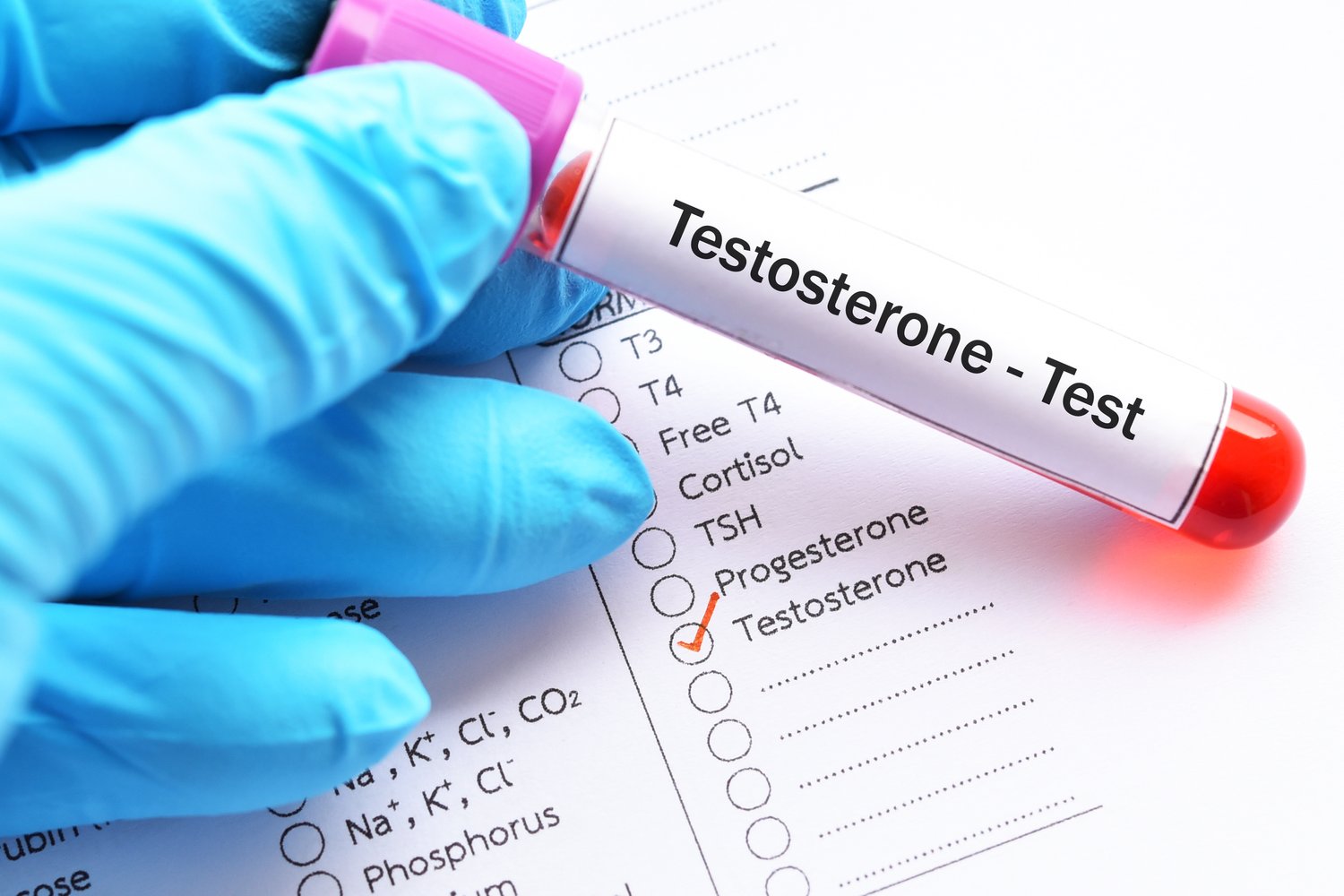
For most trans men, taking testosterone will negatively affect ovulation, meaning fertility will also be impacted. Ovulation is the process by which an egg is released from an ovary, making pregnancy or fertility treatments possible. While taking testosterone, the body suppresses the ovaries, stopping ovulation and many times the menstrual cycle altogether.
There currently aren’t many resources that give us clear data on the long term effects of taking testosterone and its impacts on fertility and overall egg quality. We do know however, that many people have had success with IVF treatments or getting pregnant after stopping testosterone treatment.
Boston IVF conducted a study of a small group of patient’s over 8 years and noted that in IVF, egg retrieval numbers were similar between cis women and trans men who stopped taking testosterone. While the data available has its limitations like it being a small study group, it is promising that the egg retrieval numbers were similar showing that fertility treatments are still effective after transition. It’s important to note that while the egg numbers were similar between trans men and cis women, the study did not provide any data on the overall egg quality. From anecdotal data available, children born after the parent stops testosterone are healthy.
Going Off Testosterone
The effects that testosterone has on the ovaries require that one stops taking it if they wish to become pregnant or undergo fertility treatments. Typically, it takes about three to six months for the menstrual cycle to resume after one stops taking testosterone. After the menstrual cycle returns, the ovaries are able to ovulate again and egg freezing or natural conception are possible.
The process of going off testosterone can often be difficult both physically and mentally on an individual. Mood swings, increased gender dysmorphia, and depression are just a few of the most common side effects. If you are considering this process, it’s important to find strong support to surround yourself with. Connecting with a mental health professional or support groups can be essential to success.
Typically, physical changes take much longer than emotional ones. Depending on what one’s journey looks like, many complete the process before physical side effects ever manifest. Data shows that going of testosterone during fertility treatments or pregnancy doesn’t typically change appearance or voice pitch.
Reproductive Options for AFAB Trans Men
There are many ways that trans men can achieve biological parenthood, including unassisted conception, IUI, or IVF. Every journey looks a little different but virtually every option requires that testosterone be stopped during the process. Whether one would like to conceive naturally and carry a child themselves or harvest eggs and have a child via surrogate or partner, having a biological child is possible for trans men.
If you have any questions about the egg freezing or surrogacy process, please contact us here, or call us at (323) 933-8918. Our Elevate Egg Donors and Surrogates is more than happy to assist.
Related Posts
-

How to Give an Injection in Gestational Surrogacy
Last Updated: February 12, 2026 Gestational surrogacy is a remarkable journey that allows intended parents to fulfill their dreams of having a child with the…
-

What Egg Donor Characteristics Should Parents Focus On?
Last Updated: July 23, 2026 If intended parents need help starting their journey to building a family, having an egg donor can be a great…
-

Top 6 Considerations for Choosing an Egg Donor
Last Updated: July 23, 2026 Stress. Anxiety. Indecisiveness. We get it. Choosing the perfect egg donor can feel like an overwhelming decision for a couple.…